Tupac Shakur
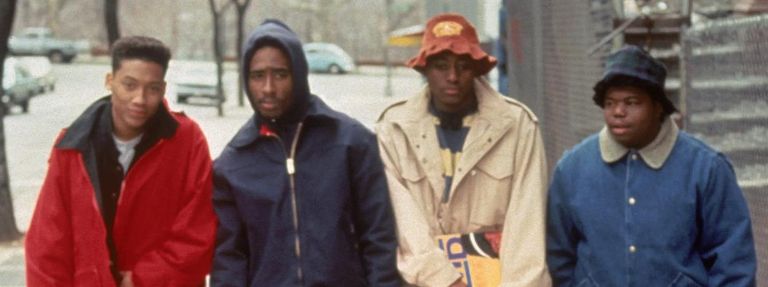
Tupac Shakur remains one of hip-hop's most influential and enduring figures, a rapper, songwriter, actor, and poet whose work fused raw storytelling with pointed social commentary. Active from 1989 until his death in 1996, he became a defining voice of West Coast hip-hop and gangsta rap, while also exploring political and conscious hip-hop themes that addressed poverty, racism, and violence in American life. His music blended hard-edged G-funk production with introspective, often poetic lyricism, giving his catalog a rare emotional range that spanned defiance, vulnerability, and social critique.
Beyond music, Tupac built a notable career as a film and television actor, bringing the same intensity that defined his recordings to his on-screen roles. As a dancer, composer, and musician in addition to his work as a lyricist, he embodied a multifaceted artistic identity that helped elevate hip-hop's cultural standing in the early 1990s. His activism and outspoken commentary on systemic injustice further cemented his reputation as an artist unafraid to confront difficult truths.
Decades after his death in 1996, Tupac's influence continues to resonate throughout hip-hop and popular culture, with his catalog and persona studied, sampled, and celebrated by generations of artists who followed him.